Campaign Priorities
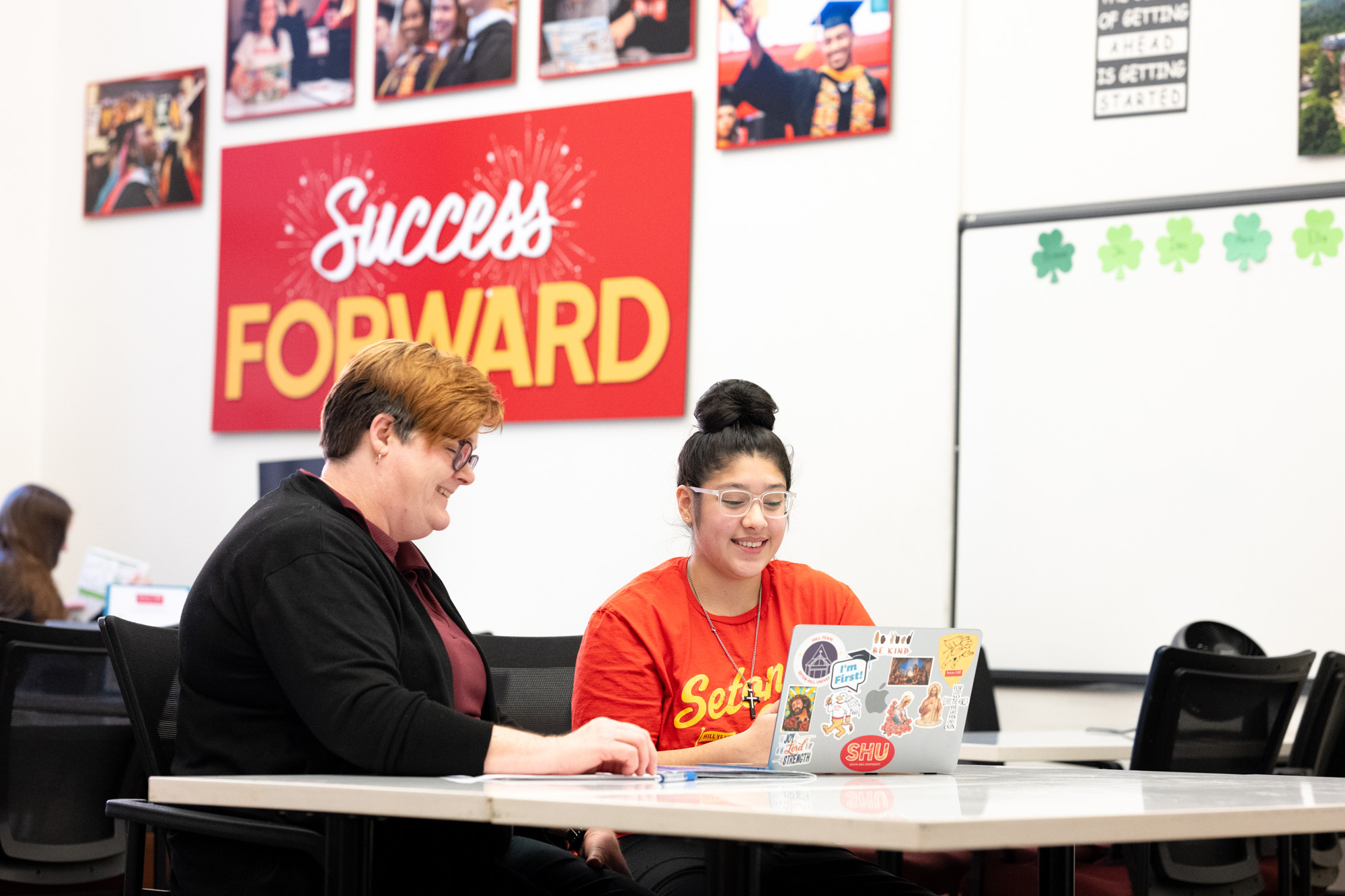
The priorities for the Framing the Future Campaign include support for the University’s important mission as a Catholic, Setonian institution; funds for student scholarships and academic support; and strategic growth through innovation in three key areas: academic program development; new and renovated facilities; and continued community outreach and development.
About Framing the Future
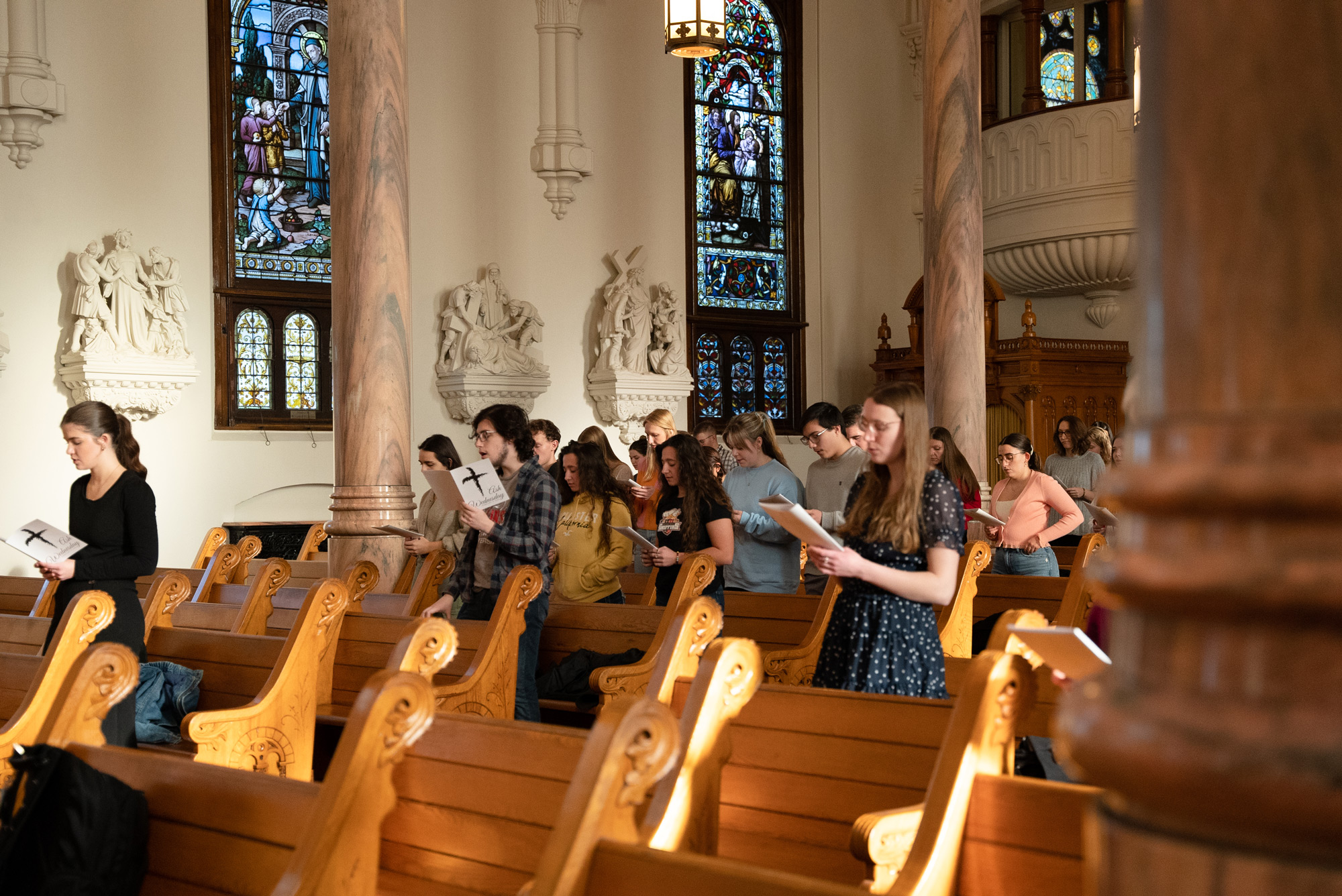
The Catholic, Setonian identity of Seton Hill is a distinguishing mark of the University, as it has been since its founding by the Sisters of Charity of Seton Hill in 1918. Our mission is built upon a commitment to a values-based education that prepares students to “transform the world” through knowledge, service, and truth. This legacy has guided Seton Hill’s development and provides a strong direction as the University creates its path forward.
Seton Hill recognizes the importance of maintaining its Catholic identity as a faith-based institution of higher learning open to students, faculty, and staff with varied religious beliefs. Though the majority of faculty, staff and students serving the Mission of the University are not members of a religious congregation, they have the unique opportunity to lead efforts to keep the spirit of the Sisters of Charity of Seton Hill strongly present. The University continues to align curricular and co-curricular programs that support Mission.
Increased support for Seton Hill’s Mission will ensure the four pillars of welcoming, learning, celebrating, and serving – aligned with the charisma of the Sisters of Charity – are instilled in future Setonians. Seton Hill will continue to educate students in the spirit of St. Elizabeth Ann Seton, preparing them for the world in which they are destined to live and positioning them to be leaders of change.
Seton Hill’s mission of educating students in a strong liberal arts framework results in students prepared for the world – as seekers of knowledge and truth; as critical thinkers and problem solvers; as graduates ready for and prepared to be part of the transformative change around them. The University’s liberal arts framework provides an exceptional foundation for students and the highest quality education in the professions prepares them to be the leaders of tomorrow – as educators, social workers, business and technology professionals; as artists, physicians, nurses, physical therapists and dietitians; as writers, historians, biologists, and chemists.
The students of today are facing a world moving at a pace not previously seen. Being prepared to understand, discern, and act in changing environments is what a Seton Hill education has been since the Sisters of Charity first established Seton Hill College in 1918. The University continues to meet the challenges of fully preparing students for the future. Securing the resources necessary to ensure the University’s students excel in their personal, professional, and spiritual lives is at the center of the Framing the Future Campaign.
Seton Hill has a long history of entrepreneurship and innovation. What started as a small women’s college with two graduates in its first year has grown over more than a century to a co-educational University with nearly 2,000 students - studying in fields the founding Sisters of Charity could not have imagined.
Through the Framing the Future Campaign, Seton Hill will continue its forward momentum by fostering strategic growth through three main areas: Academic Program Development, New and Updated Facilities and Outreach and Community Engagement.
Academic Program Development
Over the last decade, Seton Hill has substantially increased its academic programs through the Center for Academic Innovation and Planning. The Center provides resources for market research to determine the viability of new programs, support for faculty to develop the most current curriculum, and connection to industry leaders to understand what education and skills students need for the careers of today and tomorrow.
Seton Hill has developed more than 40 new certificates, specializations, and undergraduate and graduate programs through the Center, including Nursing and Cybersecurity, as well as doctoral programs in Physical Therapy and Occupational Therapy. The Campaign will provide additional resources for new program development.
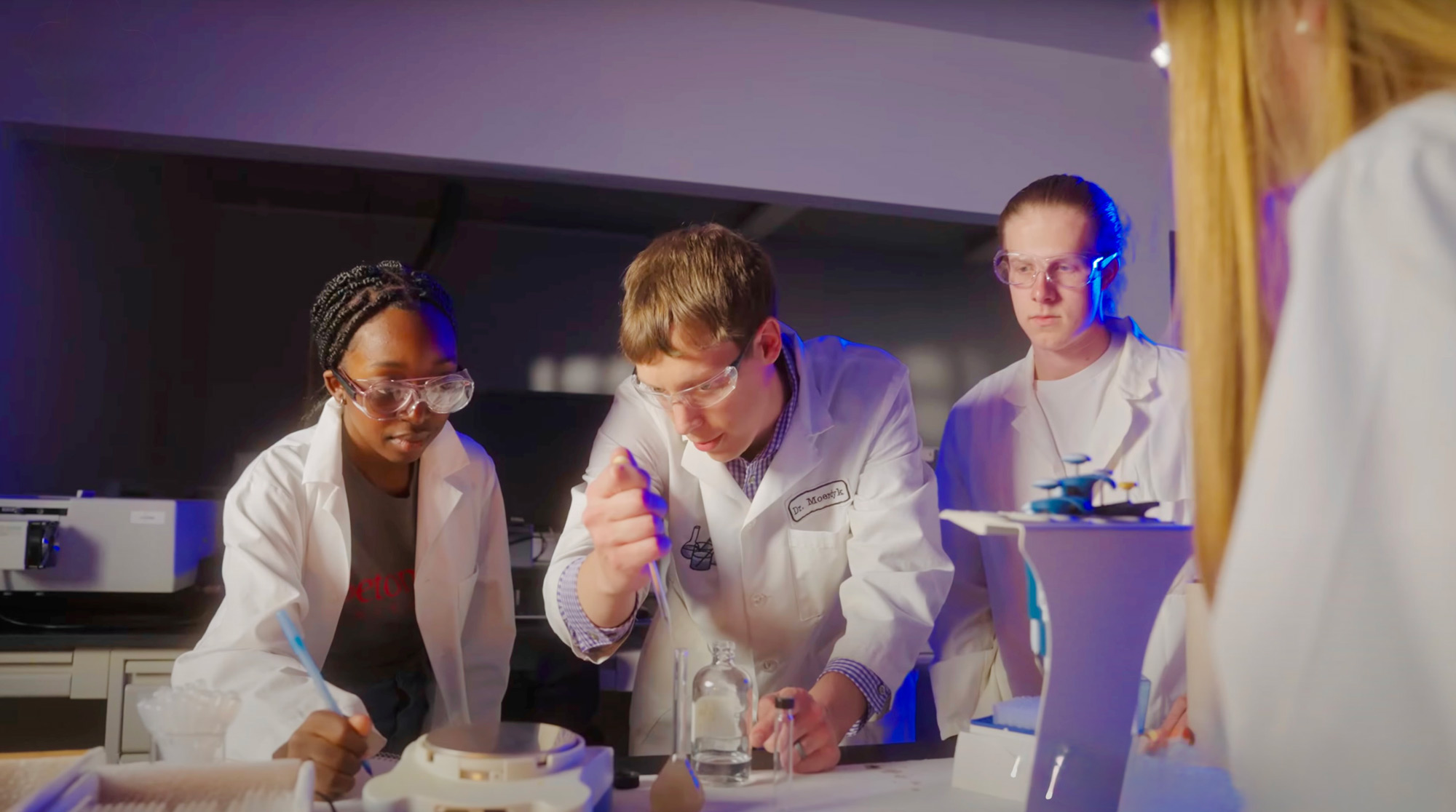
Additionally, the Campaign will allow Seton Hill to create a Center for Scholarship that provides support for student and faculty research so that students from a variety of academic disciplines will have their education enhanced by participating in research, giving them additional real- world experience.
New & Updated Facilities
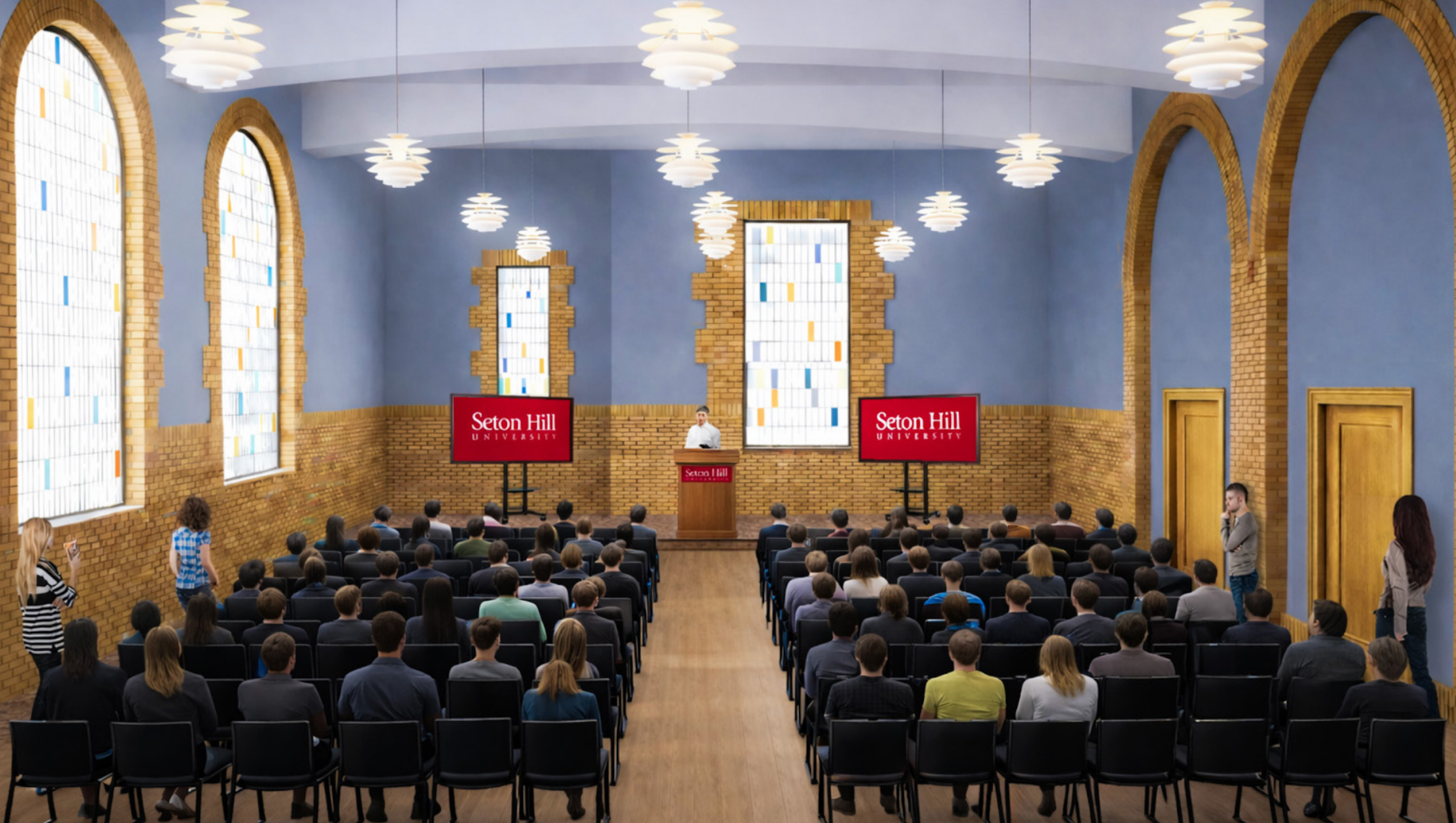
As Seton Hill continues to grow, the demand for new and updated facilities increases. Two building projects are part of the Framing the Future Campaign - the renovation of Sullivan Hall and the construction of a new Athletic Field House.
These two projects will convert an iconic campus building to a space far better suited to today’s academic needs and add a new indoor practice facility, moving coaches and teams from Sullivan Hall and other spaces into a new home for Griffin Athletics on campus.
Learn more on our Facilities page!
Outreach & Community Engagement
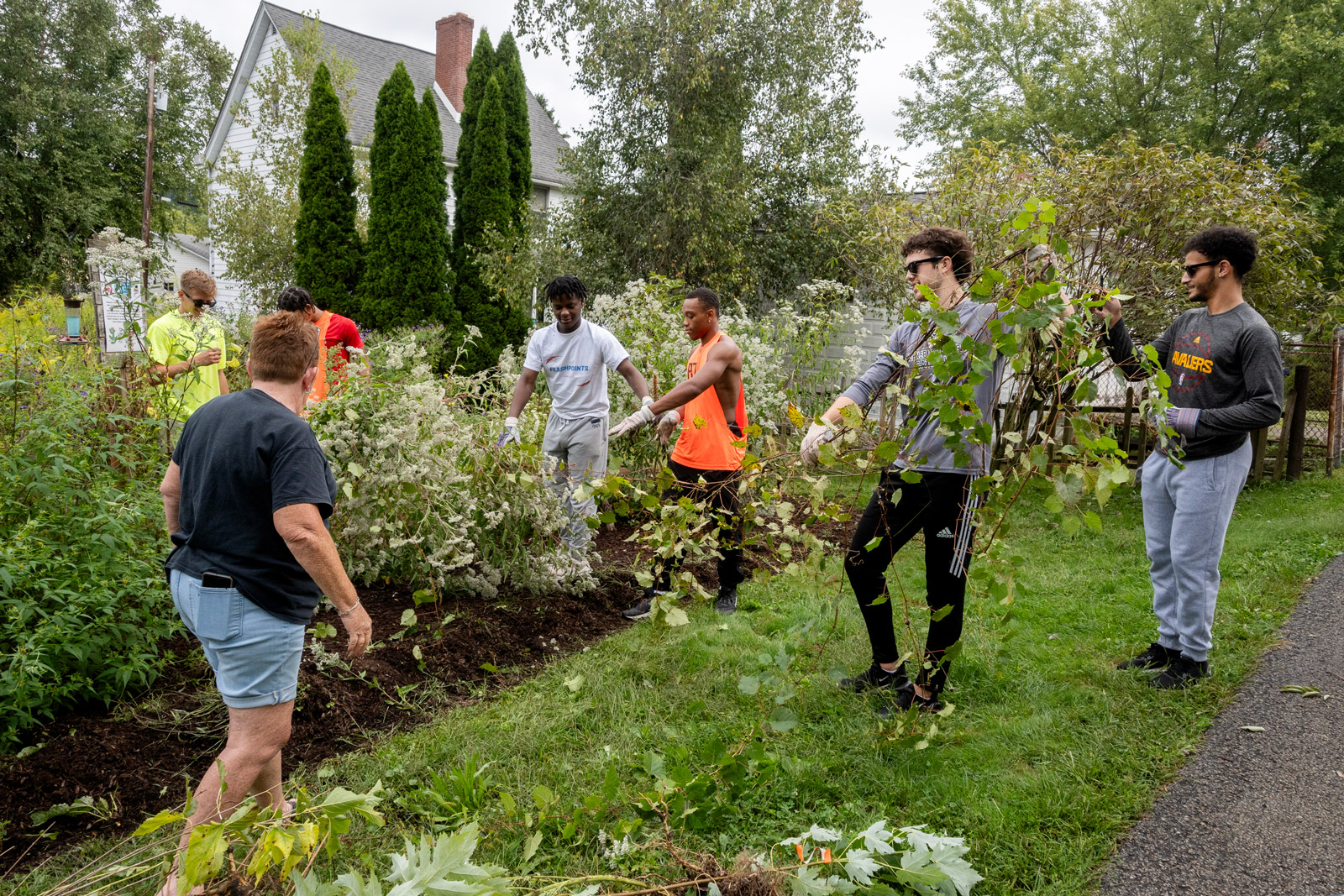
Seton Hill’s work in the community helps our cities, towns, county, and region remain vibrant. The University is a top employer in Westmoreland County and a key provider of programs that support the health and financial well being of our neighbors as well as cultural activities that enhance their lives. Seton Hill made an intentional decision to extend its reach off the hill and build in the heart of downtown Greensburg and serve as a leader in the City’s redevelopment. Indeed, a recent study from the Association of Independent Colleges and Universities of Pennsylvania showed that Seton Hill generates more than $194 million in economic development each year for Pennsylvania.
The University and its partners recently launched a plan that will drive economic development and benefit area residents, particularly around housing for graduate students and support of entrepreneurs. Significant grant funding secured by Seton Hill from the Pennsylvania Department of Community and Economic Development will allow the University to provide guidance to those seeking to start or grow small businesses, particularly in rural areas, and offer these entrepreneurs the opportunity to apply for microgrants to help get their ideas off the ground. Continuing and expanding Seton Hill’s vital role as an intellectual resource to the broader community is an important aspect of the Framing the Future Campaign.